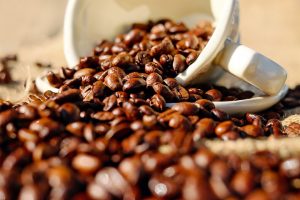
The Art of Roasting: Unleashing the Flavors of Coffee Beans
Coffee is one of the most popular beverages in the world, with millions of people starting their day with a steaming cup of this aromatic drink. While many coffee lovers appreciate the convenience of buying pre-roasted beans, there is a growing interest in the art of roasting coffee at home. Roasting coffee beans at home allows you to customize the flavor profile of your coffee and experiment with different roasting techniques to unleash the full potential of the beans. In this article, we will explore the art of roasting coffee beans and how you can unlock the flavors hidden within each bean.
The Basics of Coffee Roasting
Roasting coffee beans is a process that involves applying heat to green coffee beans to transform them into the dark brown, aromatic beans that we are familiar with. During the roasting process, the beans undergo chemical changes that develop their flavor, aroma, and color. The roasting process also affects the acidity, body, and bitterness of the coffee.
Types of Roasts
There are several types of coffee roasts, each producing a different flavor profile. The most common roasts include light roast, medium roast, and dark roast. Light roast beans are light brown in color and have a mild flavor with higher acidity. Medium roast beans are medium brown and have a balanced flavor with a slightly higher body. Dark roast beans are dark brown and have a bold flavor with lower acidity.
Roasting Techniques
There are several roasting techniques that you can use to roast coffee beans at home. The most common techniques include air roasting, drum roasting, and pan roasting. Air roasting involves using hot air to roast the beans, resulting in a clean and even roast. Drum roasting involves roasting the beans in a rotating drum, allowing for even heating and consistent roasting. Pan roasting involves roasting the beans in a pan over a stove, requiring constant stirring to prevent burning.
Choosing the Right Coffee Beans
The quality of your coffee beans will greatly affect the flavor of your roasted coffee. When selecting coffee beans for roasting, consider the origin, variety, and processing method of the beans. Different coffee beans from different regions will have unique flavor profiles, with some beans being more fruity, floral, or nutty. Experiment with different types of beans to find the flavor profile that best suits your taste preferences.
Green Coffee Beans vs. Roasted Coffee Beans
Green coffee beans are unroasted coffee beans that have not undergone the roasting process. Green coffee beans have a grassy aroma and are hard and dense in texture. Roasted coffee beans, on the other hand, have a rich aroma and are brittle and easy to grind. Roasting green coffee beans at home allows you to control the roasting process and customize the flavor of your coffee.
The Roasting Process
Roasting coffee beans at home requires careful attention to detail and precision to achieve the desired flavor profile. The roasting process involves several key steps, including preheating the roaster, adding the green coffee beans, monitoring the temperature, and cooling the beans after roasting.
Preheating the Roaster
Before roasting the coffee beans, it is important to preheat the roaster to the desired temperature. The temperature of the roaster will depend on the type of roast you are aiming for. Light roasts require lower temperatures, while dark roasts require higher temperatures. Preheating the roaster ensures that the beans roast evenly and develop the desired flavor profile.
Adding the Green Coffee Beans
Once the roaster is preheated, add the green coffee beans to the roaster. The amount of beans you add will depend on the size of your roaster and the desired batch size. It is important not to overcrowd the roaster, as this can prevent the beans from roasting evenly. Stir the beans occasionally to ensure even roasting.
Monitoring the Temperature
During the roasting process, it is important to monitor the temperature of the beans closely. Different roasts require different temperature profiles, with light roasts requiring lower temperatures and dark roasts requiring higher temperatures. Keep a close eye on the temperature and adjust as needed to achieve the desired roast level.
Cooling the Beans
After the beans have reached the desired roast level, it is important to cool them down quickly to stop the roasting process. Transfer the beans to a cooling tray or colander and stir them to help them cool down evenly. Once the beans have cooled, store them in an airtight container to preserve their freshness and flavor.
Flavor Profiles of Roasted Coffee
The flavor profile of roasted coffee beans is influenced by several factors, including the origin of the beans, the roasting technique, and the roast level. Light roasts tend to have a brighter, more acidic flavor with floral and fruity notes. Medium roasts have a balanced flavor with a slight caramel sweetness. Dark roasts have a bold, smoky flavor with a pronounced bitterness.
Experimenting with Flavor Profiles
One of the joys of roasting coffee beans at home is the ability to experiment with different flavor profiles. Try roasting beans from different regions to experience the unique flavors that each region has to offer. You can also experiment with different roasting techniques and roast levels to create your own custom blend.
Common Questions About Roasting Coffee Beans
Is it difficult to roast coffee beans at home?
Roasting coffee beans at home can be a fun and rewarding experience, but it does require some practice and attention to detail. With the right equipment and knowledge, anyone can learn to roast coffee beans at home.
What equipment do I need to roast coffee beans at home?
To roast coffee beans at home, you will need a coffee roaster, green coffee beans, a cooling tray or colander, and an airtight container for storing the roasted beans. You can also roast coffee beans in a popcorn popper or a cast-iron skillet if you do not have a dedicated coffee roaster.
How long does it take to roast coffee beans at home?
The roasting time will depend on the type of roast you are aiming for and the roasting technique you are using. Light roasts generally take around 10-15 minutes, while dark roasts can take up to 20 minutes or longer. It is important to monitor the beans closely during the roasting process to achieve the desired roast level.
Conclusion
Roasting coffee beans at home is a rewarding experience that allows you to customize the flavor of your coffee and experiment with different roasting techniques. By understanding the basics of coffee roasting, choosing the right beans, and mastering the roasting process, you can unlock the full potential of coffee beans and create a truly unique and flavorful cup of coffee. Experiment with different roasts, flavor profiles, and techniques to discover your perfect cup of coffee.